
We are going through a transformational time in Software Development. AI tools, like Claude and cloud/locally hosted LLMs, can rapidly develop complex code, fix bugs and solve problems.
By 2026, AI tools have become an expectation in software development. It’s generally accepted that using these tools speeds up delivery. A controlled experiment found developers using GitHub Copilot completed a defined coding task 55.8% faster than a control group (Peng et al., 2023).
That being said, AI remains a controversial topic. AI-positive speeches may receive boos. AI has been associated with “slop” content, and power and water hungry data centres. It has also been considered a threat to a large number of jobs in the workforce, putting the unwritten social contract and expectation of a stable job available for all in jeopardy.
The Pros
In a professional environment, and putting those concerns aside for a moment, my day-to-day experience using AI is positive. With AI-assisted development I am able to focus more on the architecture, structure and goals of the project, rather than the nitty gritty of logic problems, process flows and race conditions that can end up consuming an entire day or more to figure out.
A brick wall or a small piece of missing knowledge can sometimes be overcome with AI. An average engineer can tap into previously niche knowledge where documentation is limited, like DLL Hooking or code disassembly. The possibilities were always endless, but now they are becoming far more accessible.
Data Security
However the first concern that pops into my mind, is that fact I am sharing code, my ideas, thoughts and development history with with a third party.
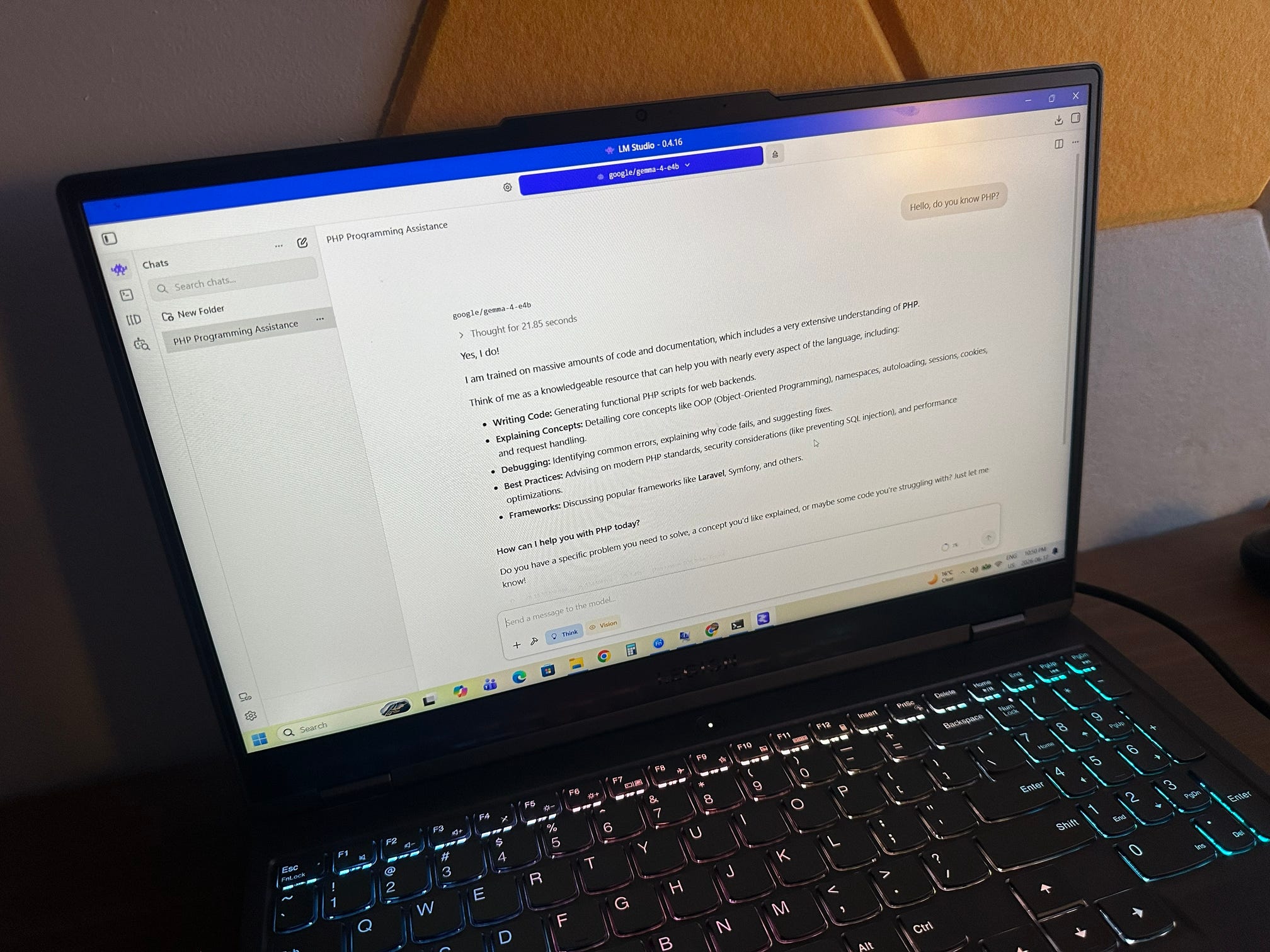
Using online AI models gives you the latest, smartest models, but risks sharing confidential or vulnerable code or data. In those cases, models running on your own cloud, or locally, is preferable, but currently much more limited in context size and capability.
Not only can data seep out this way, but also through the code AI produces - Generative AI may not write code that is secure. Several studies have identified security weaknesses in AI generated code. While advanced models like Mythos have been able to detect security flaws that have gone unnoticed, this is an additional cost on top of the initial coding cost by the AI, that human review can simply avoid.
Labour force impact
As mentioned there is a threat to jobs that AI can automate. For simple code-bases, coding tasks and apps, AI can do a huge amount of this work, as demonstrated by sites like Lovable. There is less human work required for apps with a simple architecture as these are less likely to trip up an AI.
As discussed, AI can unlock barriers, but this also means a threat to those who work on code bases that are relatively simple but locked behind a legacy language such as Delphi. The AI can “speak” in some of the most obscure programming languages, and if not, can be trained to do so.
While this is certainly a threat, I don’t believe that it will be the end of the Software Developer altogether. A software developer is still needed to architect the application, solve usability issues, and even fix bugs where the AI gets stuck. The security concerns highlight the need for human oversight and code review.
And this is why I believe this is a transition, not an end. A Software Engineer today is still needed to architect the software, but perhaps be a little bit more like a mechanic. A good mechanic understands how a vehicle works and the principles underneath, even if they weren’t the engineer who designed each part.
Additionally there is the reality of “de-skilling.” Become too dependent on the AI, and you lose the ability to write your own code from scratch. I have mixed feelings on this topic. After all, before there was AI, there was Stack Overflow, where code snippets for common problems were free to copy and paste - engineers have always taken shortcuts, and with complex code written by AI there are still times where you still need to get in there and get your hands dirty, keeping the mind and skills fresh.
Some have compared it to the industrial revolution, where hand-crafted goods became uncompetitive with those from the production line, and those traditional skills were regrettably lost and became more limited in use in the real world. It’s still hard to say exactly how this will all play out.
Shortcomings
Currently AI isn’t perfect, at least not yet as of writing this (June 2026). It doesn’t always do exactly what you ask. It can gravitate to bland-looking websites and interfaces, even if you explain or show it more unique or usable designs, or not really know exactly how to make something look sleek and user friendly through text prompts alone. It might not use the best libraries or code structures automatically if you don’t research or plan it out yourself in detail first.
There is also the classic context problem. I recently asked Claude Opus to turn 3 boxes on a website, which all had roughly the same design, into a single component. But because this was part of a long laundry list of other fixes and improvements, the “single component” file it generated had a copy of each box inside, it did not recognize the similarities or how to make the component efficient, without this being pointed out and explicitly asked to do so. This sort of review and checking, and making sure the code is maintainable is the responsibility of the modern day software developer.
This ties into questions surrounding the technical debt risk of Generative AI. If there is a problem the AI is unable to solve properly, then a software engineer has to be ready to step in and figure out what is going wrong. This is something I have encountered in my work, even with the latest Claude Opus models, and why I always stay on top of the code the AI is generating. This is essential to avoid large technical debts where the engineer would have to spend a long time deconstructing months of AI generated code.
Pick a Side

Software developers are being forced to pick a side. AI is unpopular among some, yet at the same time, not embracing AI means you cannot compete with those who have. While I adopt AI as a tool, I reject a future where we are dependent on Anthropic or OpenAI to deliver code. I believe this is part of where the public resentment originates, people feel these large and powerful companies are disrupting their lives.
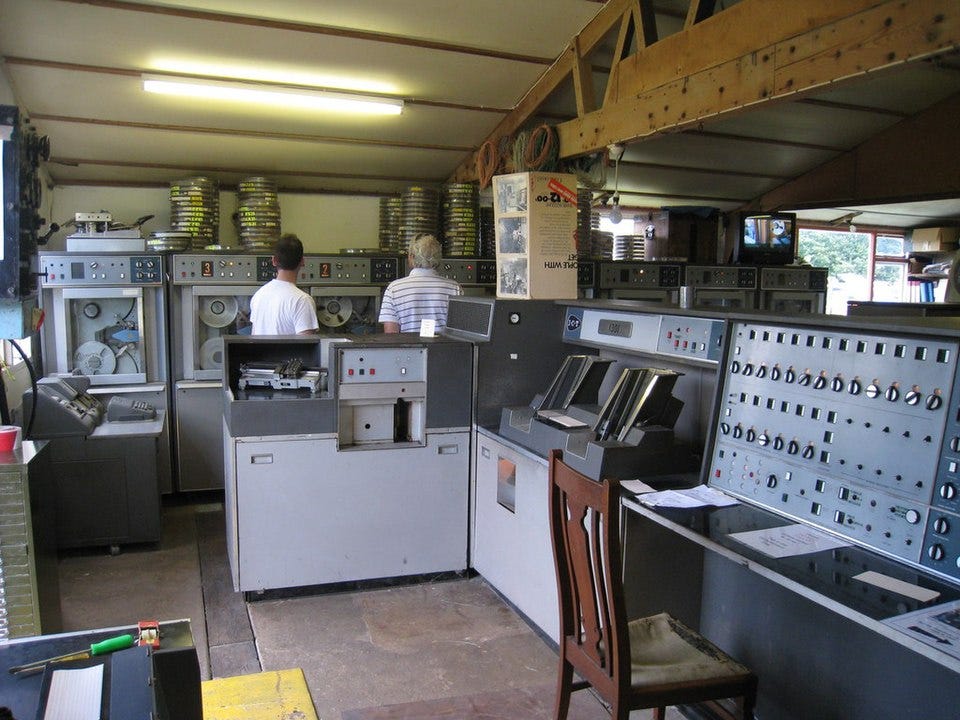
I am optimistic for a future where developers simply use LLMs either on a dedicated box or on their laptops to assist in their development. Much like the early days of computing were dominated by expensive mainframes offered by the likes of IBM, the “personal AI” revolution is around the corner.
Peng, S., Kalliamvakou, E., Cihon, P., & Demirer, M. (2023). The impact of AI on developer productivity: Evidence from GitHub Copilot (arXiv:2302.06590). arXiv. https://arxiv.org/abs/2302.06590